Where One Eats, We All Eat: On Connection, Care, and the True Cost of Food
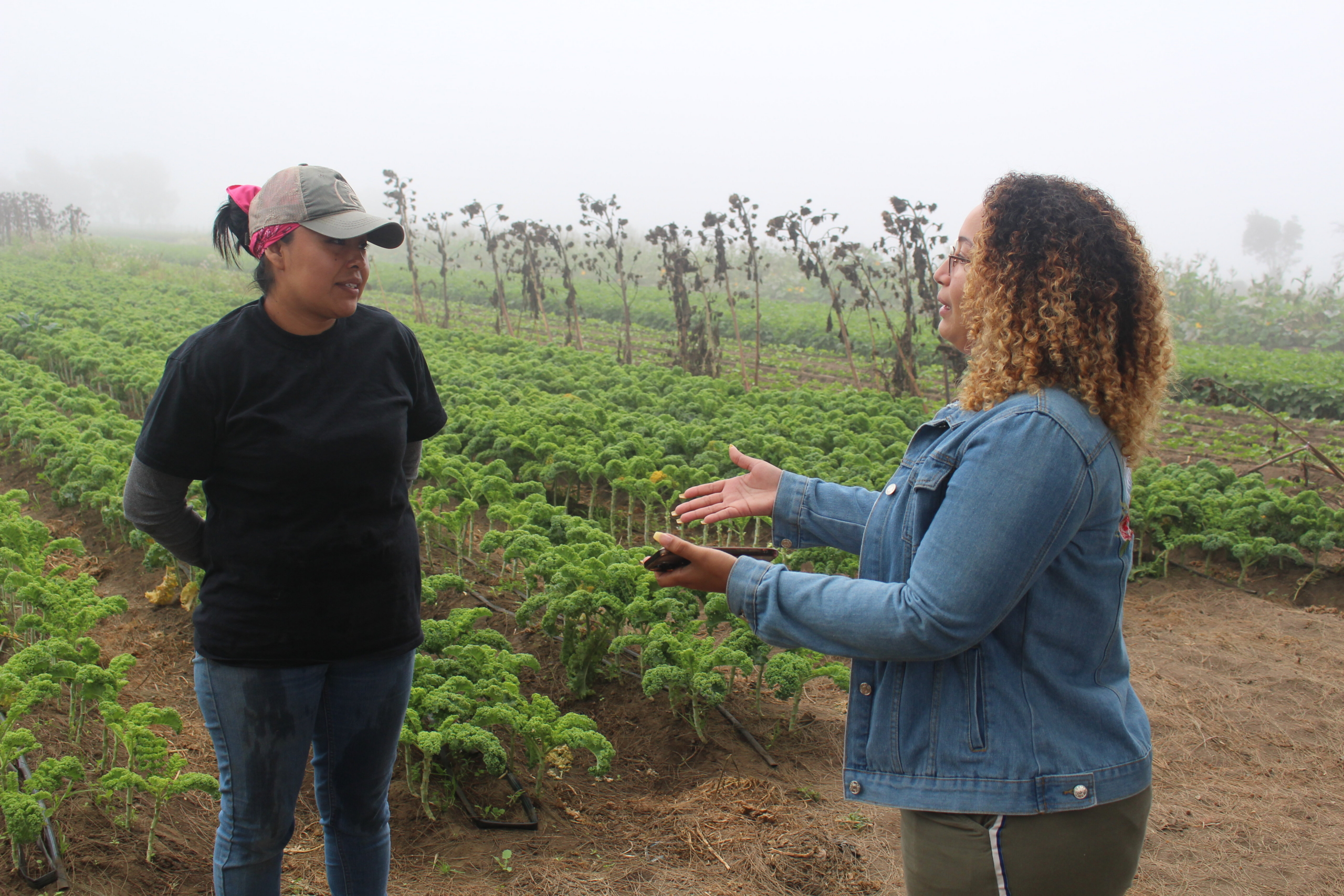
In 2020, as COVID swept the globe, farmers’ markets closed, and restaurant buyers disappeared, leaving small farmers across California without a way to sell the food they had already grown. At the same time, demand for food assistance surged, and food banks across the state were pushed to their limits.
That’s when Nanyelis Diaz Chapman joined a small team working to connect those two realities: farmers who needed markets and communities who needed food.
“At the peak, the lines were miles long,” she recalled. “The need for food, especially fresh produce, was huge.”
The original idea was straightforward: help food banks raise more money so they could purchase more produce. But as conversations with farmers and partners continued, Nanyelis and the team quickly ran into a structural challenge. The prices food banks often pay farmers, sometimes just a few cents per pound, were not sustainable for small producers.
That realization led to a shift.
Instead of routing food through traditional purchasing systems, the team began connecting small farmers directly with food hubs and community organizations already embedded in neighborhoods across the state, including churches, housing communities, and local nonprofits already distributing food to families in need.
By pairing those organizations with farmers and aggregators, the program could supply fresh food to communities while also creating meaningful markets for producers who had suddenly lost restaurant and wholesale buyers.
Learning the System from the Ground Up
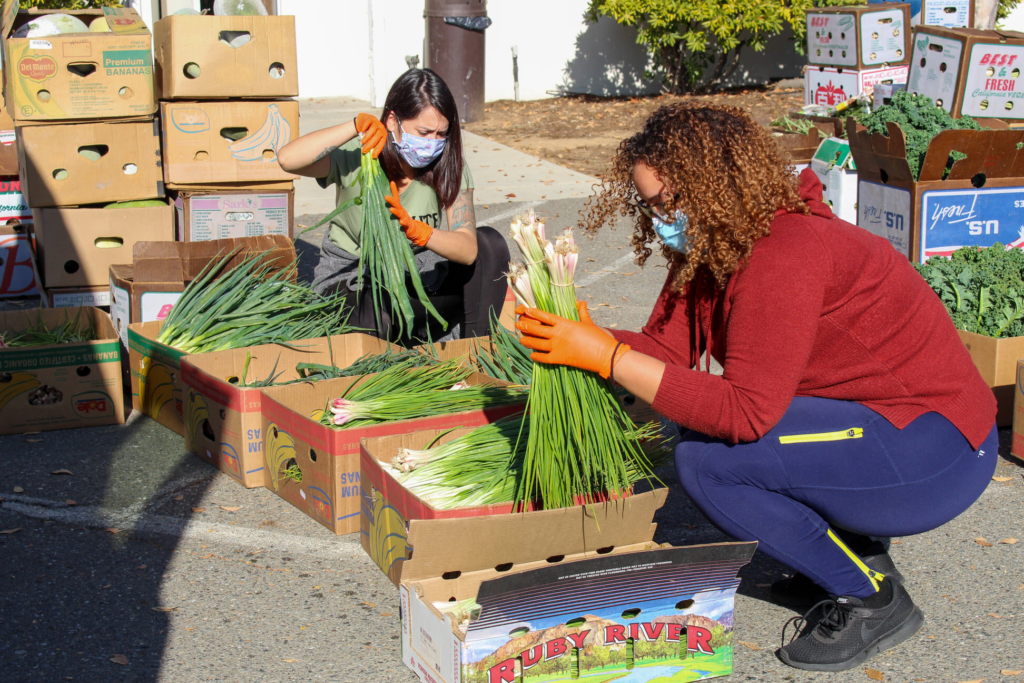
Within months, that work became Growing the Table (GTT), a rapid-response effort that would connect 452 small farmers, over 70 percent from underrepresented communities, with more than 128 community distribution organizations and 27 aggregators, delivering over 1.2 million pounds of fresh food statewide.
But what started as an emergency response revealed something more.
“The people on the ground had a million ideas,” Nanyelis said. “They knew how to solve the problems. They just didn’t have the resources.”
The work made clear that the challenge was not just about food access or market access in a moment of crisis, but about the lack of long-term infrastructure connecting farmers, buyers, and their local communities.
GTT was fast-moving and highly experimental, and Nanyelis recalls countless conversations with farmers, community leaders, and agricultural partners as the team tried to understand what already existed and where support was needed most. What stood out was just how many solutions were already present on the ground.
Rather than directing the work themselves, the team focused on listening and resourcing the strategies that local partners were already developing. Sometimes that meant supporting CSA-style produce boxes, and in other places, it meant investing in infrastructure so farmers could begin growing or distributing food in the first place.
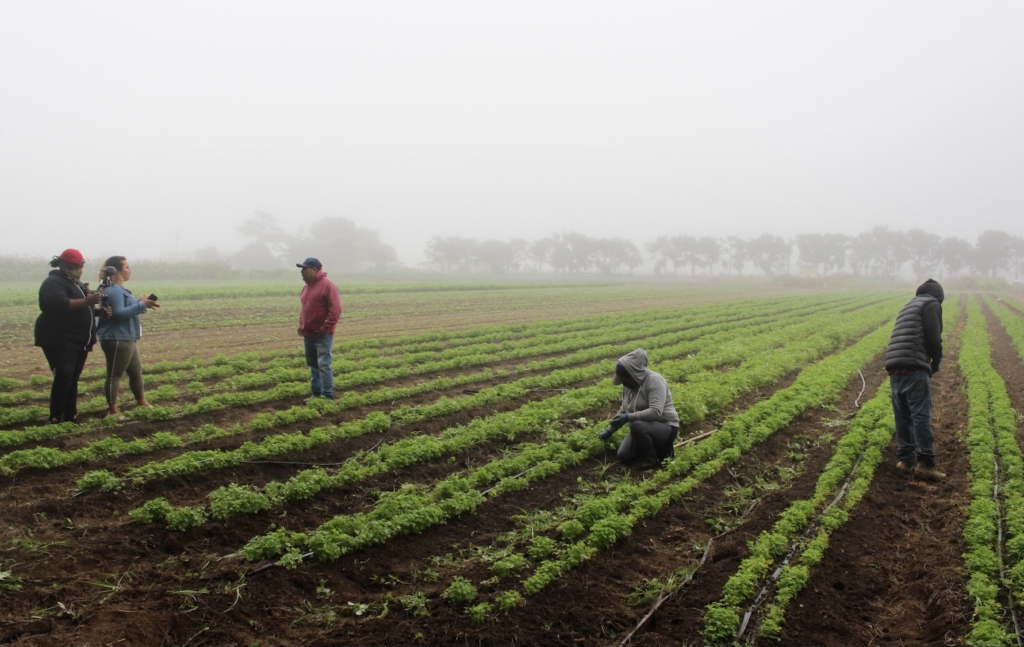
For Nanyelis, the experience was energizing as it was her first meaningful experience with agriculture – visiting the fields, helping pack produce boxes, and interviewing growers about their work.
“Being out there, hearing their stories, understanding their needs… it made the work feel real,” she said.
That experience reshaped how she understood agriculture. It was not just about growing food, Nanyelis learned, but about everything required to move, support, and sustain it.
Out of the many insights emerging from GTT’s critical work APC’s vision took shape, and work kicked off in 2023.
Nanyelis has been part of that evolution from the beginning. Today, as APC’s Manager of Community Projects, she continues the work of connecting farmers to the relationships, resources, and infrastructure they need to succeed.
Nurturing the Ecosystem
Screenshot
When most people imagine farming, they picture fields, tractors, and harvests. But the deeper she got into the work, the clearer it became that agriculture is really an ecosystem of people, relationships, and infrastructure.
For small and BIPOC farmers especially, the path to selling food involves far more than growing crops: farmers must navigate food safety certifications, regulatory requirements, technical assistance programs, financing systems, and distribution networks. And this often necessitates trusted advisors, supportive buyers, and partners who understand their realities.
“All these layers have to exist for farmers to actually succeed,” she said. “If one piece is missing, the road breaks.”
That understanding now shapes how she defines her role at APC, where much of the work is focused on strengthening those connections across the system.
“I think about my work in this space like putting together a puzzle,” she said. “We’re constantly building relationships and trying to be the glue that holds the pieces together.”
At APC, that work often looks like connecting farmers with technical assistance providers, identifying partnership opportunities, and helping align different parts of the agricultural landscape so they can work more effectively together.
Rather than focusing on a single part of the system, Nanyelis works to bring those pieces together. Much of this happens quietly behind the scenes, but the relationships cultivated are at the heart of APC’s work.
“When you’re doing this work, you’re not really working with organizations,” she said. “You’re working with people.”
Building trust, understanding motivations, and maintaining those relationships over time is what allows partnerships to grow into something meaningful.
A Deeper Connection to Food
In the process of meeting farmers across California, Nanyelis also discovered something that surprised her.
“They do it because they love it, not because they plan to get rich off of it,” she said. Despite drought, flooding, and financial uncertainty, many continue farming because it is a deeply personal commitment.
After spending a full day working alongside farmers in the field herself, she got a small taste of what that work actually feels like.
“My back hurt,” she laughed, recalling the experience. “But I would still rather be in the field than sitting inside answering emails.”
For Nanyelis, the connection between food, land, and community began long before she entered the agriculture sector.
She was born in Miches, a coastal town in the Dominican Republic, where her family grew plantains, yucca, mangoes, citrus, and tamarind. Her grandmother kept a garden of herbs used in daily cooking, and neighbors passed by each morning on their way to tend their own farms.
Food was central to everyday life, not just as sustenance, but as connection.
“Donde come uno, comemos todos,” Nanyelis said. “Where one person eats, we all eat.”
That understanding continues to shape how she approaches her work at APC, where strengthening connections between farmers and communities is central to building a more equitable food system.
Rethinking Equity, Value, and the True Cost of Food
When Nanyelis moved to the United States at age ten, her relationship with food changed. Grocery stores replaced farms and backyard gardens. Ingredients appeared on shelves without any visible connection to the people who had grown them.
Working in agriculture helped reconnect that understanding. Now, when she shops or eats out, she finds herself thinking differently about food systems.
“How can food cost so little?” she often wonders. “What does that mean for the farmer?”
That awareness has reshaped how she approaches food. She laughs about spending eighteen dollars on berries at a farmers’ market, a purchase that might have felt unreasonable before.
“I almost put them back,” she admitted. “But now I know what that means for the farmer.”
For Nanyelis, the question of equity in agriculture comes back to balance. Communities should be able to access fresh, local food at prices they can afford. At the same time, farmers deserve to sell their products at prices that allow them to survive and thrive.
“You can’t have one without the other,” she said. “If you grow something but can’t get it to market, what happens?”
Agriculture, after all, goes beyond food. It is about building the systems that allow small farmers and the communities they feed to thrive. Nanyelis knows that this work does not happen only in the field, but in conversations, in partnerships, and in the often invisible labor of holding those systems together.
When it works, it makes something deceptively simple possible: farmers can sustain their livelihoods, and communities can eat well.
For Nanyelis, that possibility is rooted in the connection between people, land, and the food that links them. When those connections are tended to, farmers can plan for the future, communities can rely on their food systems, and a more durable future can begin to take root.