Reclaiming the Middle: Stewardship, Service, & the Future of Women in Agriculture
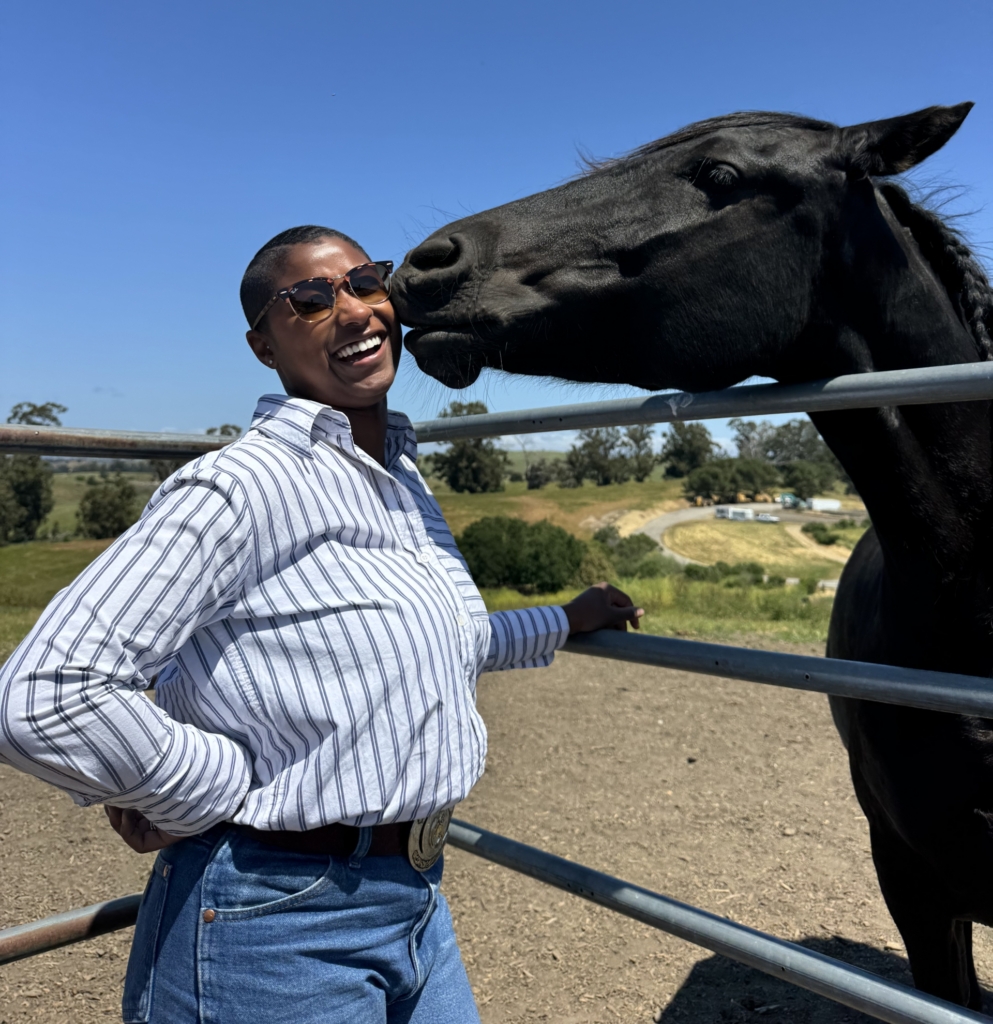
For Rizpah Bellard, agriculture has never been abstract.
Raised on a Black Angus cattle ranch in California’s Capay Valley, she grew up understanding stewardship as something embodied daily, not discussed in theory. Leaving the land better than you found it was not a slogan but an expectation.
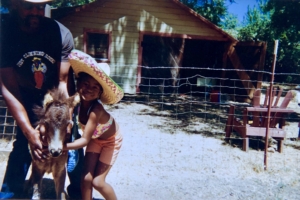 Cattle were managed carefully, herd sizes adjusted according to rainfall and water availability, and overgrazing was never an option. Even as children, she and her brothers were taught their responsibility to the land.
“As ranchers, we were taught that you don’t waste, you don’t litter, and you don’t kill an animal you won’t eat,” she explained. “You’re a steward.”
Over time, that understanding expanded. What began as care for soil and livestock evolved into care for community, future generations, and the relationships that sustain both. Stewardship became less about acreage alone.
Agriculture as Community
Growing up in Capay Valley shaped how Rizpah sees agriculture and showed her that it is never isolated or purely transactional. Boundaries between properties existed, but so did shared space and understanding—neighbors riding dirt bikes through walnut orchards, fishing in one another’s ponds, and hunting on tribal land. The work was individual, but survival was collective.
“Agriculture is about sharing space with one another,” she said. “Respecting one another. Getting along despite the many differences we all have.”
That lived experience contrasts with how agriculture is often portrayed in policy and media, where farms are reduced to production numbers or trade statistics. For Rizpah, agriculture is relational first: markets matter, but people matter more.
Recognizing the Disconnect
 The divide between people and their food became clearer after high school. In Capay Valley, it was normal to raise chickens, harvest honey, and understand where meat came from. But in college, and later when living in Oakland and Denver, she often found herself as the only person in her friend groups who truly understood food production.
She remembers friends reacting with surprise when they learned that the steak on the table came from a steer slaughtered weeks earlier, or that venison tacos were the result of deer season. That surprise revealed something deeper: how far removed many people had become from the systems that sustain them.
After earning a degree from Cornell University’s College of Agriculture and Life Sciences and later a master’s in International Studies from the University of Denver, Rizpah spent years working in anti-trafficking, housing, and global health. In 2020, during the uncertainty of COVID, she returned home.
“I went back to what I know—agriculture,” she said.
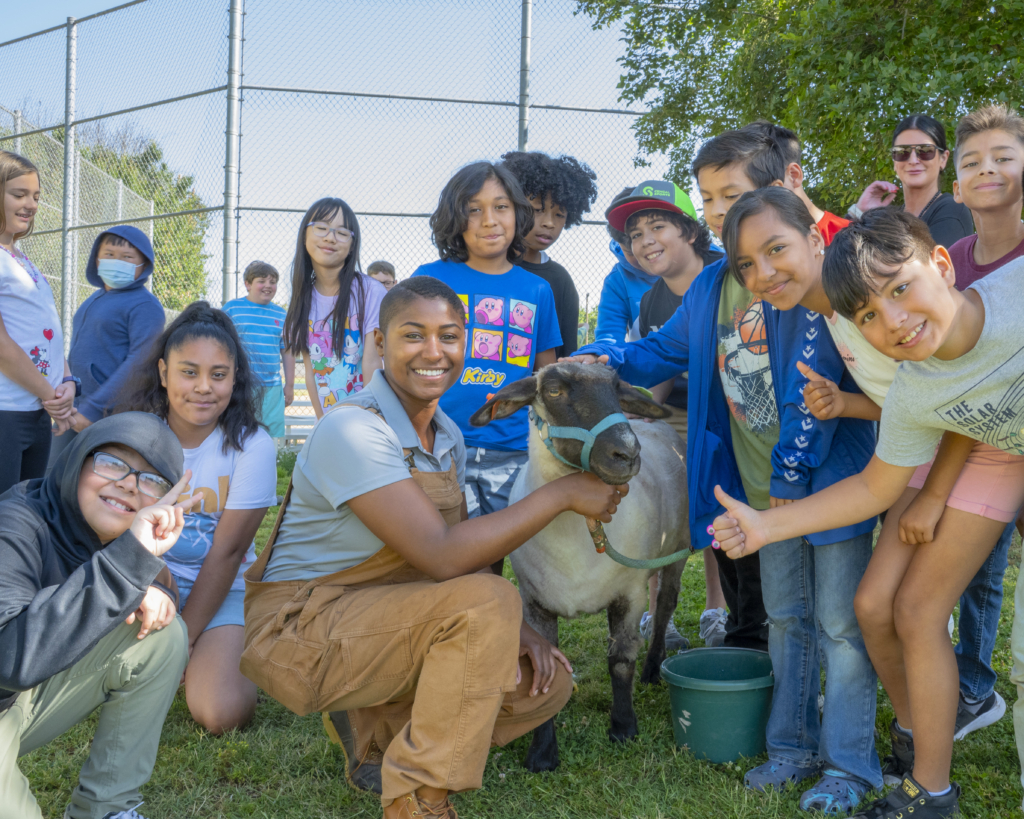
The decision was about rooting her work in something generational and concrete. She founded Nova Farming to introduce agriculture to students and communities who might not otherwise see it as a viable pathway to education, entrepreneurship, and global opportunity. Over time, Rizpah began to see her story as part of a larger conversation about women, leadership, and ownership in the industry.
Women in Agriculture
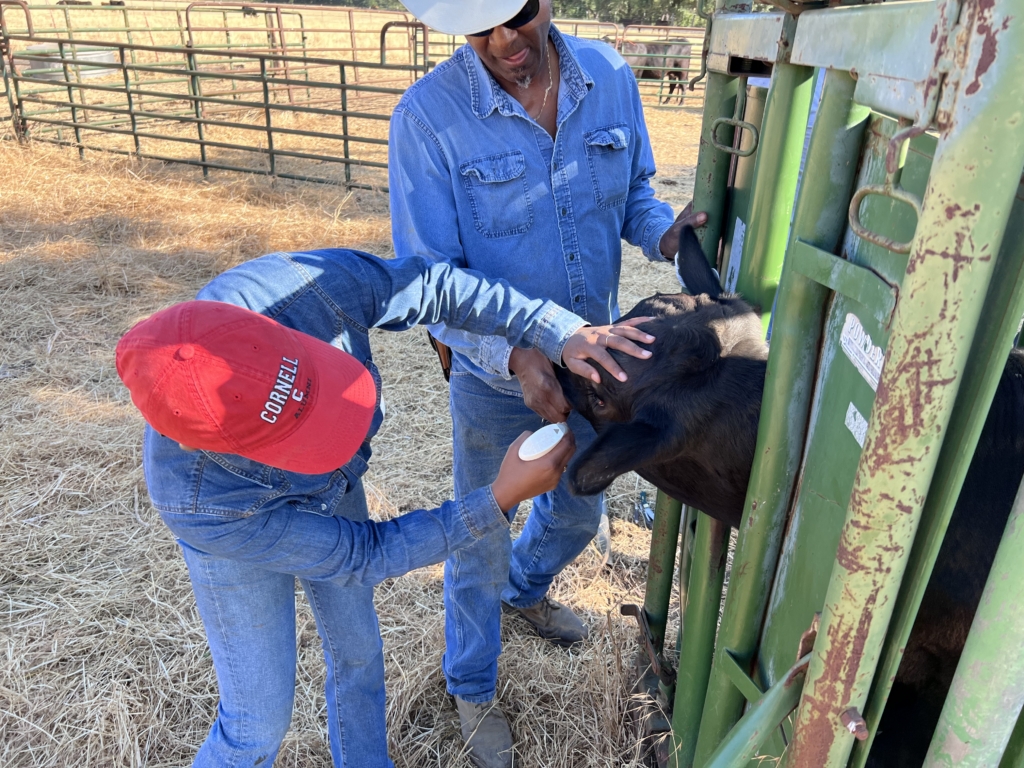
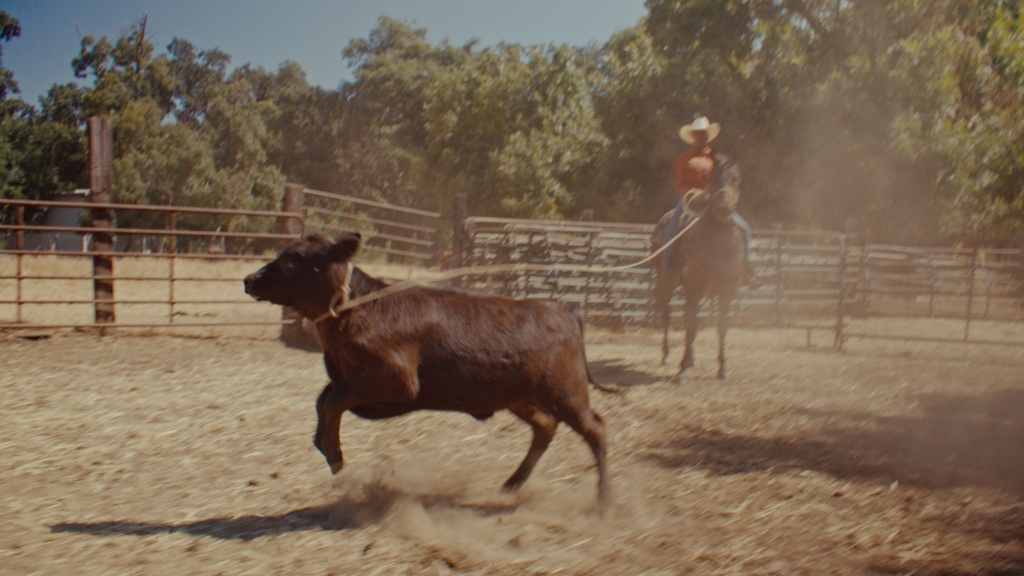
On the ranch, Rizpah never questioned whether she belonged. She drove cattle out of the mountains on horseback, assisted with castrations and brandings, and sorted cattle after they left the chute, while her mother handled inoculations. The labor was demanding, visible, and shared.
Yet belonging on the land did not mean the industry had always made space for women in leadership. Ranches are traditionally passed on to sons, daughters often marry into operations, and women are frequently viewed as supporters rather than decision-makers:
“I think most people erroneously see women in agriculture as mothers, wives, and sisters of ranch owners. The silent helping hands.”
Her experience challenges that narrative and reinforces that women have always been present in agriculture. The real question is whether their leadership is recognized, resourced, and sustained.
Leadership and Listening
When asked how she defines leadership in agriculture, Rizpah answers simply: “You can only truly lead when you listen.”
Listening, for her, means tracking shifts in the beef industry, understanding supply and demand, paying attention to buyers and producers, and recognizing where opportunity is emerging. It also means responding honestly when there is uncertainty and clarity is hard to find.
In her role as Farm Partnerships Coordinator at APC, support often looks straightforward. She texts farmers to ask what is in season, answers calls about payment checks, and updates producers about sales opportunities. The work is steady and relationship-based.
Like all agricultural markets, conditions can shift quickly. In late 2025, broader market contractions limited opportunities across the region, which catalyzed a number of difficult but transparent conversations with farmers about what was, and was not, available that week.
Moments like that underscore APC’s design: not simply a sales channel, but a relationship-driven organization committed to long-term producer stability. Through consistent communication, market diversification, and on-the-ground support, APC works to help farmers navigate volatility with greater resilience. Rizpah helps ensure producers have clarity and a partner in their corner, even when markets fluctuate.
Reclaiming the Middle
When discussing where change could make the greatest difference for women in agriculture, Rizpah points to what she calls the middle of the supply chain: trucking, cold storage, logistics, butchering, washing, and packing.
“These middle spaces have been swallowed up by large corporations,” she noted, referencing companies such as Sysco, Walmart, and Tyson.
For her, expanding women’s participation in agriculture is not only about land ownership, it is also about access to infrastructure and capital in the middle spaces that shape who controls markets and opportunity. Rebuilding locally controlled systems, she believes, opens doors for female agricultural entrepreneurs who may not have inherited ranches but have the skills to build businesses.
Service as Throughline
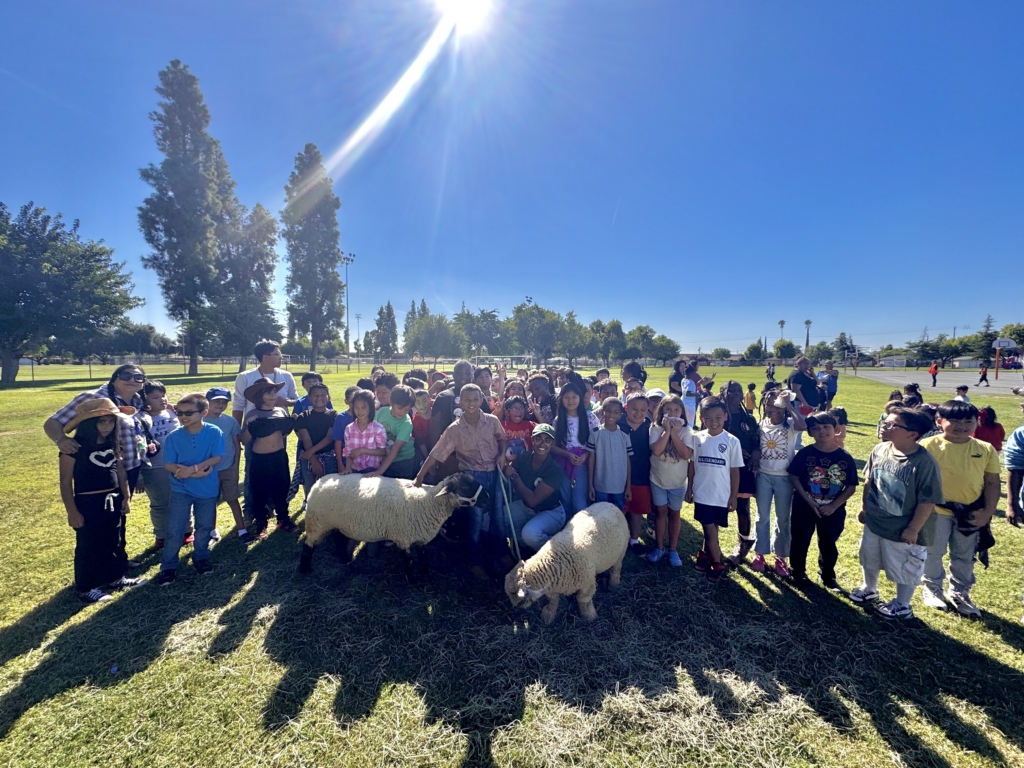 Across her work in housing, anti-trafficking, and agriculture, one principle connects Rizpah’s path: “being of service to others.”
In housing, that means helping people find stability. In agriculture, it means educating communities about their food sources and helping producers find economic footing. And across both, it means narrowing the distance between systems and the people navigating them.
Looking ahead, she remains optimistic.
“Agriculture is a global industry,” she said. “There’s an opportunity to enter the workforce anywhere in the world, and those opportunities are becoming more accessible to women.”
For Rizpah, the future of agriculture lies in the infrastructure and relationships that sustain it. The stewardship she learned on the ranch now shapes how she approaches markets and systems. Reclaiming the middle of the supply chain is more than an economic strategy; it’s a commitment to building durable structures that support both producers and the communities they serve.