In the Field: A Day With Central Valley Farmers and the Central California Food Bank

Last week, we met up with our friends at the Central California Food Bank for a day in the fields with the farmers who feed our communities, listening to the stories that shape each season and learning more about their work.
The Central California Food Bank has long prioritized sourcing fresh, local produce from small and underserved farmers — a commitment that strengthens the regional food system while putting high-quality fruits and vegetables directly into the hands of families who need them most. Spending the day together allowed us to trace that journey back to its roots.
Sanger: Cauliflower, Onions, and a Field Alive With Greens
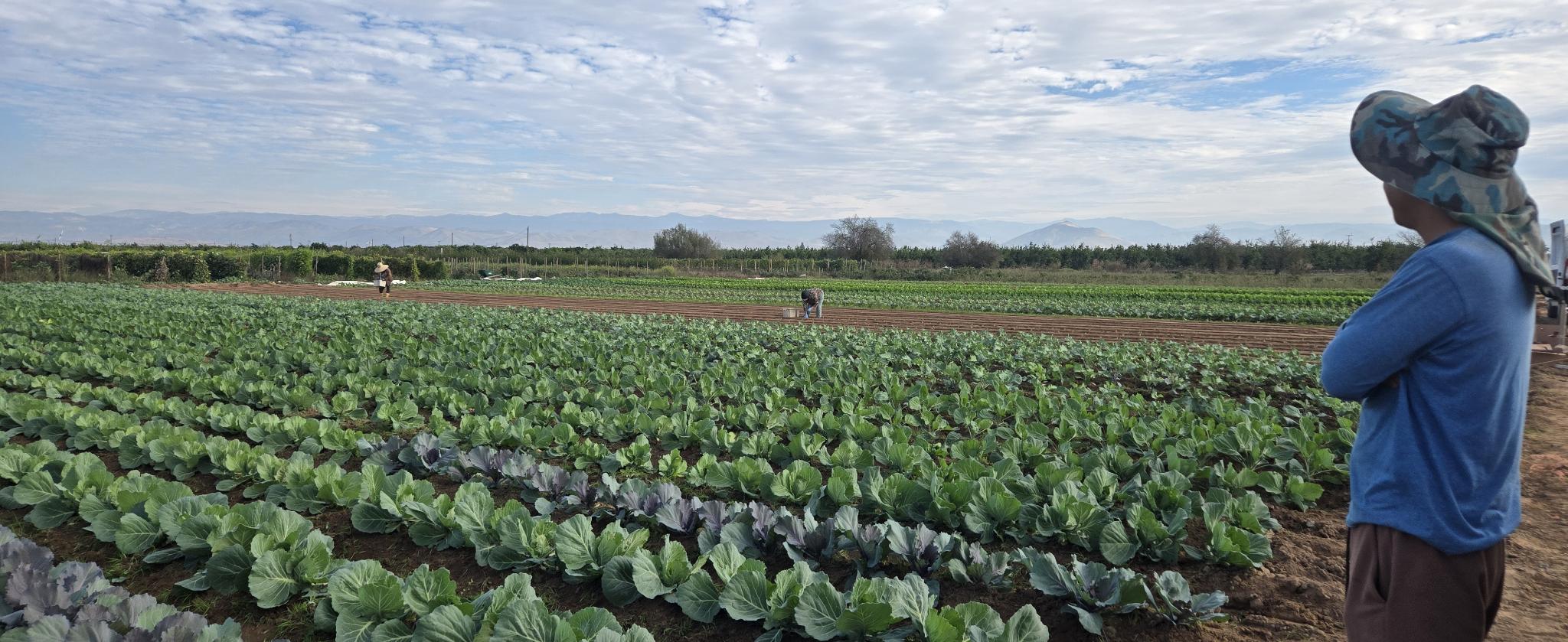
Our first stop was Gary Moua’s farm in Sanger, where Gary and his wife were in the middle of planting cauliflower and onions. Rows of leafy greens stretched across the field: cabbage, kale, and mustards thriving in the cool morning air.
Gary spoke about balancing multiple crop cycles at once, the timing needed to keep everything moving, and the pride he feels when he sees the produce he grew in food bank boxes across Fresno County.
Walking the Rows With Mabiel Ambriz

Just a few miles away, we met with Mabiel Ambriz, who walked us through his rows of cabbage and broccoli (some of the largest we’ve seen this season!) and talked about preparing the soil for what he calls his passion crop: red onions.
For Mabiel, red onions aren’t just a product. They’re part of his family’s farming story, a crop tied to memory and identity. Seeing him talk about next year’s planting reminded us how much foresight and planning small farmers carry year-round.
Reedley in Full Color at Sweet Girl Farms
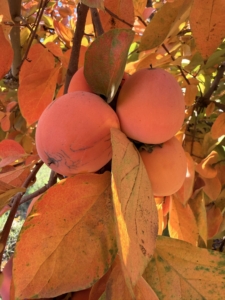
From Sanger we headed to Reedley, where Liset Garcia of Sweet Girl Farms greeted us with crates of bright citrus, cool-season persimmons, and tejocote, a traditional Mexican fruit that carries cultural meaning across generations.
Her fields were dotted with the signature fall flowers she’s become known for: bursts of color that brighten markets across the Valley. Liset’s approach blends heritage crops, modern small-farm entrepreneurship, and a deep commitment to community access.
Ending the Day With Tameco Smith and the African American Farmers of California
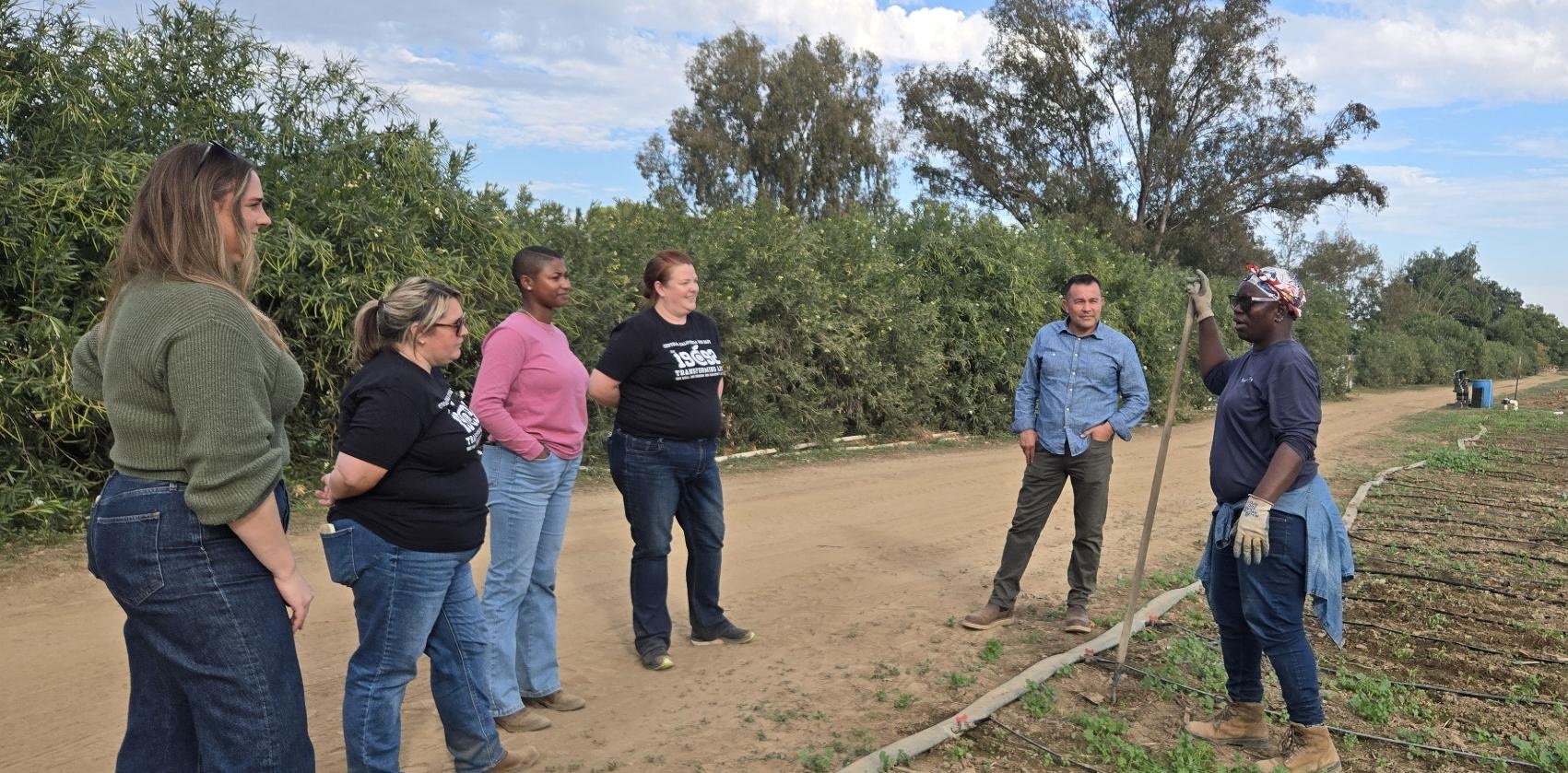
Our final stop was with Tameco Smith, who farms at the demonstration site operated by the African American Farmers of California, a nonprofit network of farmers working to empower farmers and ranchers throughout the state.
When we arrived, Tameco was clearing weeds, a rhythm she says helps her think and reconnect to her purpose. As she worked, she told us how farming became the next chapter of her life, how she’s learning each season as she builds her operation, and how much she loves the land she now stewards.
Standing there with her, surrounded by amaranth, collards, okra, and crops with long, global histories, we were reminded how farming is both inheritance and rebirth.
Why These Relationships Matter
Across every stop, one truth held steady: small farmers are a backbone of the Central Valley’s food security. Their crops feed schoolchildren, elders, and entire neighborhoods, often without residents ever knowing the name of the person who planted the seed.
Seeing these fields up close, hearing farmers talk about their hopes for the season, and witnessing the quiet pride behind every row reaffirmed why partnerships like this matter. When we invest in local farmers, we’re investing in cultural heritage, regional resilience, and a healthier, more equitable food system.
We left the day tired, sun-warmed, and full of admiration for the growers, for the Food Bank team, and for the community that connects them.
Stay tuned for more as we continue visiting farms, learning from our partners, and sharing some of the amazing work happening across the Valley!