Around the Table with José: Reflections on Food, Family, and Farming
Celebrating Hispanic Heritage Month by honoring the people, stories, and traditions that sustain our communities.
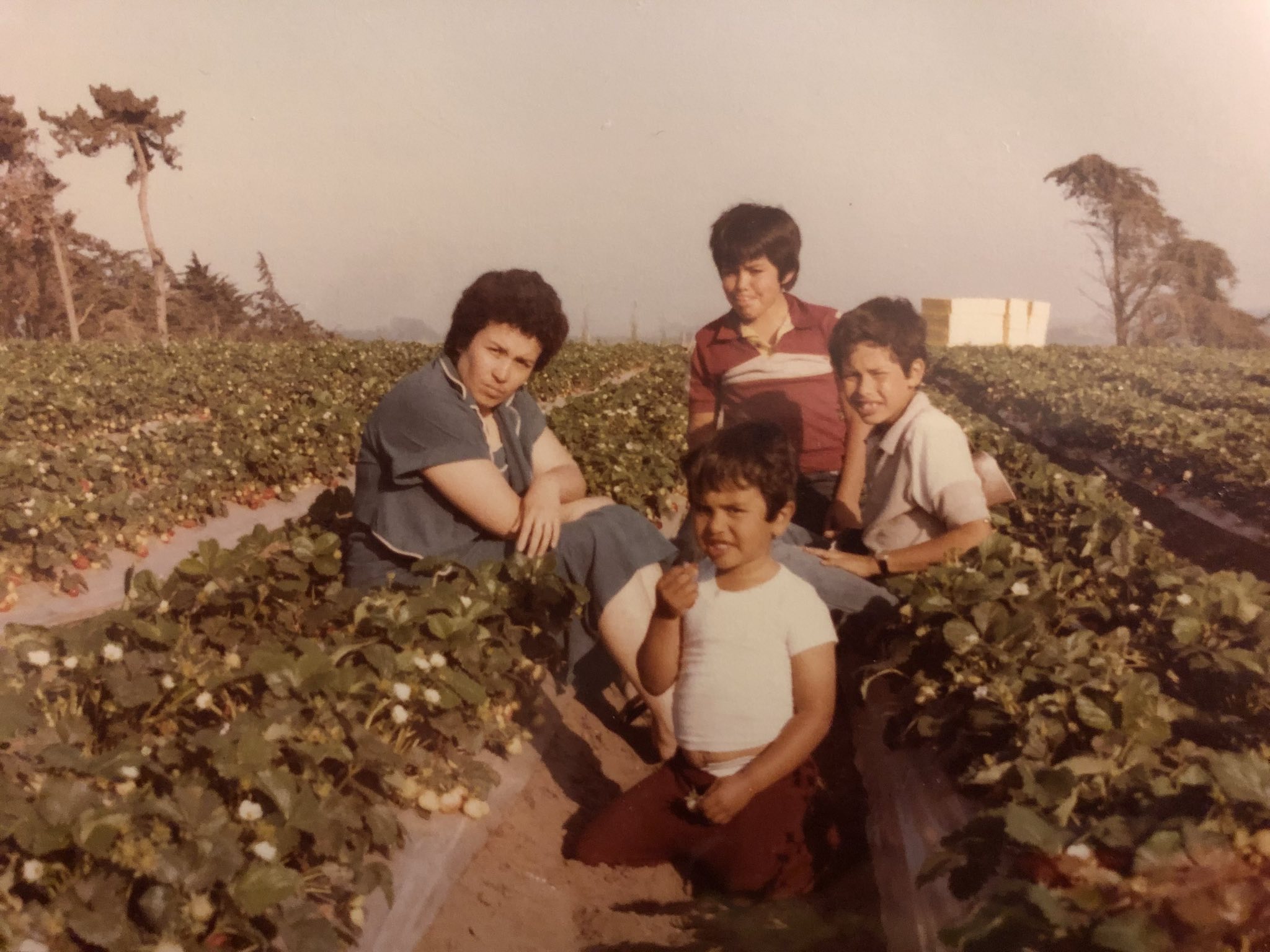
For José Corona, some of the most important lessons of his life were learned around the table. Growing up in Watsonville, where agriculture shaped every corner of daily life, his earliest memories are of his father’s farm parties, marked by music, laughter, and, of course, plates of food that stretched across tables.
“Food has always been at the center of our culture,” José shared. “For celebrations, even funerals, every occasion was marked by big meals. My dad would invite all the farmworkers, their friends and families, and suddenly you’d have hundreds of people gathered around food. My earliest memories are happy ones, and they’re all centered around food.”
In his Central Coast community, food was both sustenance and connection. Around the table there was joy, but also hard conversations about struggle and sacrifice. It was where people came together, no matter their politics or backgrounds, bound by the dignity of feeding others and the pride of work well done.
Those experiences now guide José in his role as APC’s Chief Agricultural Business Officer, where he works to ensure that producers are supported in meaningful ways that strengthen their livelihoods. Because for him, food is more than crops or products — it’s the thread that ties people to place, memory, and one another.
Michoacán Born, Watsonville Rooted
José’s story begins in La Piedad, Michoacán, where he was born before his family moved to Watsonville, California, when he was eight. His father had come to the U.S. through a farmworker program, moving from crop to crop with the seasons before eventually establishing his own farm. After trying everything from grapes to asparagus to onions, he settled on strawberries as his anchor crop — the one he knew best from his years as a farmworker.
Looking back, José said, “You can’t get away from agriculture in Watsonville. Strawberries, artichokes, lettuce, mushroom farms… every direction you traveled, you passed through ag. Agriculture is part of the fabric of daily life.”
Community, Culture, and Carne Asada
When asked what Hispanic Heritage Month meant to him, José didn’t hesitate. “It’s a reminder that our community has made deep contributions to this country, its economy, and its culture. I hope it plants seeds that encourage people to see us and value us not just this month, but all year.”
That pride showed up most clearly in food. “Growing up, even when we were exhausted from hours in the fields, lunch on the farm was the highlight of the day. You’d sit on a row crop, pull tacos from a thermos, and eat alongside a hundred other people doing the same thing. Those conversations in the fields with my brothers and family are some of my most precious memories.”
Today, that tradition lives on in carne asada parties. “Carne asada is more than just meat on a grill. It’s the gathering itself. In Mexican culture, if you’re invited to the carne asada, you’re invited to the party, to enjoy food, drink, music, dancing, and joy. That’s what food means to me. Even now, with my family dispersed across the country, whenever we get together, we make a point of eating together. The food matters, but so do the conversations. Sometimes I still feel like that seven-year-old sitting across from my dad at the table.”
Coming Full Circle at APC
José’s career has spanned philanthropy, the public sector, and entrepreneurship. But his role as APC’s Chief Agricultural Business Officer feels like a return home.
“This role found me,” he said. “It’s a full-circle moment. I grew up in ag, went out into the world, worked across sectors, and then came back. When I sit with farmers now, I see my mom and dad and I feel like I’m talking with family. Sometimes the world conspires for you, and I believe it conspired for me to be here.”
In returning to agriculture, José also returned to the dinner table conversations that shaped him: the laughter, the lessons, and the tears. That empathy runs deep and carries into his day-to-day work with farmers in the Central Valley.
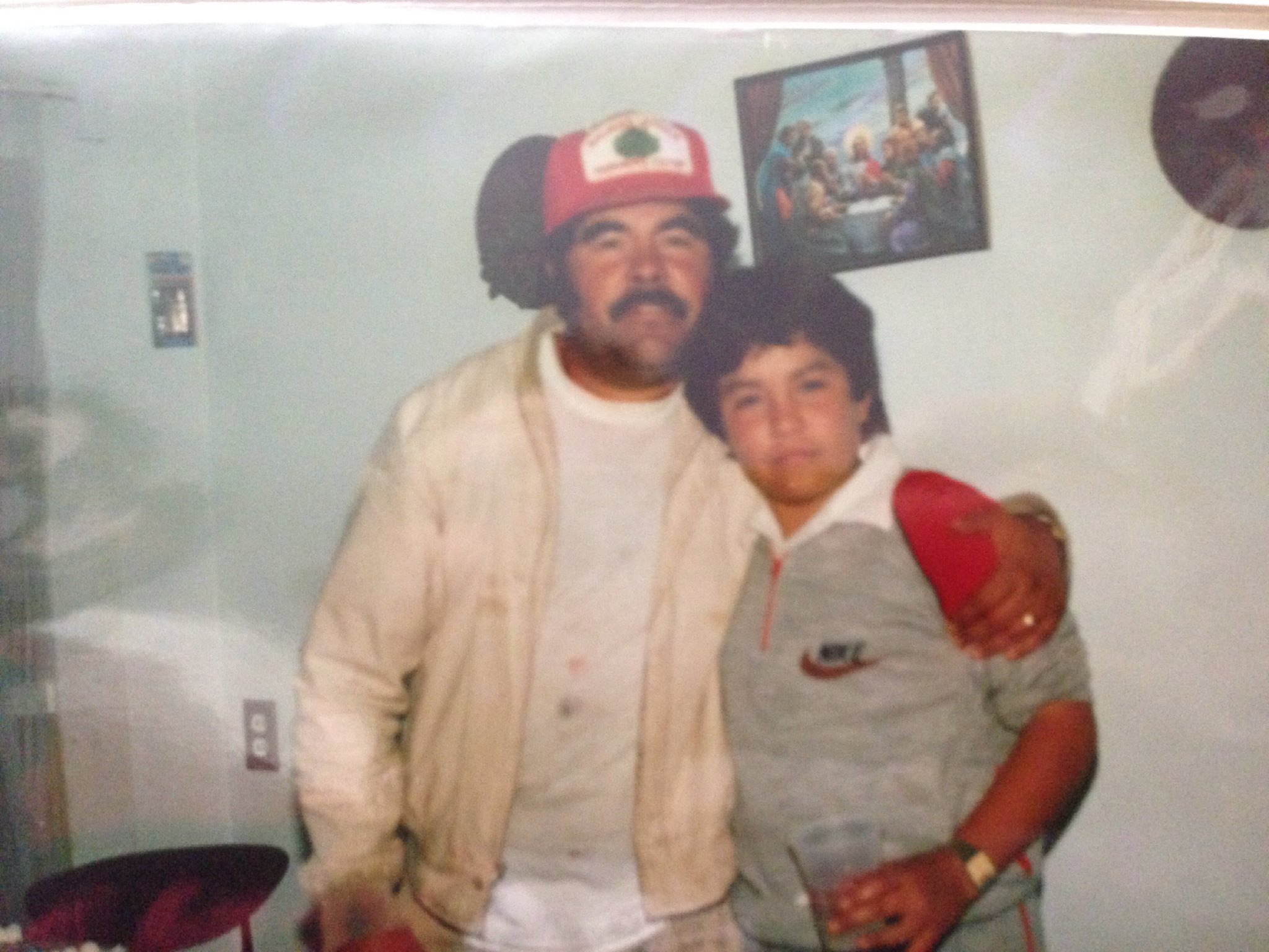 “I remember conversations at our dinner table, with my dad sometimes crying from the stress of working on the farm, ready to give up. I know what that feels like, so when farmers tell me they’re struggling, I get it. I’ve lived it. And I want them to feel hope, to believe life can be better. I want them to say: I can spend time with my family, I can feel proud of my work, I can endure and I can thrive.”
For José, the heart of APC’s mission is dignity, and he credits his father with shaping the lessons that still guide him. “My father taught me two things: always respect the hard work behind food, and never forget that this work has dignity. Farming isn’t better or worse than any other profession. It’s essential, and it deserves appreciation.”
Some of José’s proudest moments at APC have been socializing with farmers at community events, watching them connect with staff who share their language and background. “Those tender, raw conversations… that’s when I know we’re doing something right.”
A Message Forward
Looking ahead, José hopes young people growing up on farms will carry pride in their parents’ work. “I want them to be inspired by their parents. I want them to say, ‘I want to do this too.’ The more they see their parents succeed, the more they’ll be inspired to lead in agriculture.”
And for the broader community, his message is clear: “Honor and respect every person in the ag ecosystem — from the farmworker who picks the fruit, to the driver, to the packer, to the person serving it. Agriculture isn’t just about farmers. It’s about the whole chain of human beings who feed us.”